10 February 2026
Where to Launch Your ICO?
The article offers information on the main jurisdictions where investors can use initial coin offerings for raising capital.

The initial coin offering (ICO) designates a means of obtaining funds, regulated in the EU by MiCA since 30 December 2024, for starting a cryptocurrency business. During an ICO campaign, a part of the cryptocurrency is sold to the fund’s participants, usually in the form of bitcoin, the most popular type of virtual currency used at a global level. ICOs are used by companies and by those interested in setting up an investment fund in a particular jurisdiction to raise capital in a fast manner.
| Quick Facts | |
|---|---|
| What is an ICO? | An ICO is a means of raising money through the issuance of a crypto coin investors can buy. |
Types of tokens that can be launched through an ICO | – payment, – utility, asset, – hybrid tokens. |
Best countries to launch an ICO in Europe | – Luxembourg, – Switzerland, – Malta, – Cyprus, – the Netherlands, – Liechtenstein. |
| Best countries to launch an ICO in Asia | Hong Kong and Singapore. |
| Best offshore destinations for an ICO | The Cayman Islands and Jersey. |
| Luxembourg | Luxembourg is one of the most appreciated financial destinations in the world. Launching an ICO here benefits from strong regulations and the possibility of conducting multiple types of crypto activities. |
| Switzerland | Switzerland is a premier financial destination where those interested in creating ICOs can benefit from a specialized workforce. Also, Zug Crypto Valley is one of the best places in the world for ICO activities. |
| Malta | Malta is a leading European destination in terms of fintech activities, with developed sectors like crypto, iGaming, and electronic money issuance. |
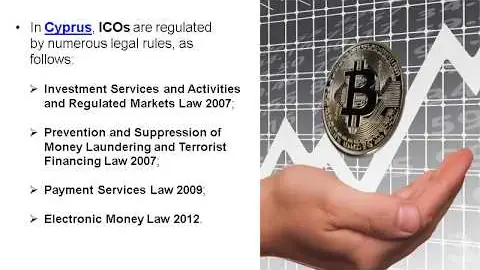
| Cyprus | Cyprus is one of the best EU countries to launch an ICO, as it has strong legislation to cater to fintech activities and also a beneficial taxation system for such companies. |
| The Netherlands | The Netherlands was one of the first countries in Europe and the EU to apply the Markets in Crypto-Assets regulation. It also has one of the most developed blockchain sectors in the EU. |
| Liechtenstein | Liechtenstein is one of the first European countries to have a dedicated legislation, in the form of the Token Act and the Token Container Model, as well as the integration of the Swiss fintech regulations for locally-based companies. |
| Hong Kong | Hong Kong offers access to the entire Asian market and is one of the few states to not impose VAT and capital gains taxes on crypto activities. |
| Singapore | Singapore offers a favorable taxation system, as well as support to ICO startups through the Monetary Authority of Singapore (MAS). |
| The Cayman Islands | The Cayman Island’s legislation is tailored to offering financial services, including fintech ones, and also no taxes on income or capital gains from such activities. |
| Jersey | Jersey has a strong financial legislation overseen by the Financial Services Commission and offers a 0% corporate tax for companies operating in this field. |
What are ICOs in Switzerland?
Switzerland is one of the best destinations for investment purposes in the field of cryptocurrency. The country adopted dedicated legislation for blockchain businesses through the DLT Act, in force since 2021, which are operating under the regulations of the Financial Market Supervisory Authority. ICOs are subject to existing financial market laws, as set out in FINMA's ICO guidelines of 2018, and special procedures are established by the Swiss Code of Conduct, issued by the Crypto Valley Association in Zug.
What are the main procedures for launching Swiss ICOs?
When opening an investment fund or an investment company that will be set up for performing ICO activities, it will be compulsory to follow a set of legal steps. Thus, it will also be necessary to register with the financial institutions of the country and to conduct the following:
- register the investment company following the Swiss anti-money laundering legislation;
- establish the contractual framework of the company by including policies related to the issuance of tokens;
- create a suitable non-disclosure agreement related to the registration of the company’s clients on the company’s online platform;
- submit an application with the Swiss Financial Market Supervisory Authority (FINMA), which will assess the regulatory classification of the tokens (tax treatment is confirmed separately with the tax authorities), depending on the types of tokens issued for raising ICOs.
What are the Swiss tokens?
A token is a term that can basically represent the value of anything, depending on the type of product that the company is trying to promote in the online environment. A token can be used by those involved in ICO activities through smart contracts, which enable the cryptocurrency transactions on an automatic basis. In Switzerland, there are several types of tokens, which are presented below:
| payment tokens | this type of token is not considered a security, as stated by the FINMA regulations |
| utility tokens | provided that the utility tokens are used only for obtaining access to a given services, they will not be considered securities, but in the case in which they are used for investments, FINMA considers them securities |
| asset tokens | it is important to know that in Switzerland, asset tokens are considered securities |
| hybrid tokens | they represent a combination between asset tokens and utility tokens, in which case, they need to comply with the legal requirements available for these two categories of tokens |
The type of token used for raising ICO in Switzerland is important for any cryptocurrency company, due to the fact that it will influence the tax obligations available for this types of activities; tokens considered securities will be taxed differently than the ones that are not included in this category.
The following video offers a short presentation on the best countries for launching initial coin offerings:
Why invest in ICOs in Malta?
The insular state of Malta is one of the leading investment jurisdictions for fintech activities, ICOs included. Due to the fact that in the last decade the country has attracted numerous investments in the field of electronic money, igaming and IT activities, the cryptocurrency sector had the opportunity of developing at a fast pace here.
Businessmen who are interested in how to start a fund in Malta or any type of company that is related to the field of cryptocurrency should know that the small country already offers a suitable legal framework addressed to this field. In this sense, Malta offers three legal acts; one of them is given by the Malta Digital Innovation Authority Act, which stipulates that the main institution in charge with the regulation of this new sector is the Malta Digital Innovation Authority (MDIA).
Those who want to register a company in this sector and to obtain the necessary certifications will have to follow the regulations prescribed under the Innovative Technology Arrangements and Services Act; in the case of those raising capital through ICOs, it will be required to follow MiCA and Malta's Markets in Crypto-Assets Act, which replaced the Virtual Financial Assets Act.
When starting an ICO activity in Malta, it is compulsory to comply with MiCA (Regulation (EU) 2023/1114), which since 30 December 2024 has largely replaced the Virtual Financial Assets Act; the crypto-asset white paper must be notified to the MFSA before the offer starts. Crypto-asset service providers involved (e.g. exchanges or placement agents) need a MiCA authorisation from the Malta Financial Services Authority (MFSA).
It is necessary to know that an ICO activity in Malta requires a whitepaper, which represents an official document through which the company seeking to raise money through the ICO in this country will offer in-depth information concerning the investment project, the risks associated with it, and other types of details that can be requested by the institution.
In order to properly launch an ICO activity in Malta, the whitepaper has to be notified to the MFSA (under MiCA, it is not approved in advance); once the whitepaper has been notified and published, the ICO activity can be commenced. The whitepaper should also offer information on the types of tokens used by the company, the target market of the company, the manner in which the distribution of the tokens will be completed and numerous other types of details.
Are there any other regulations on Maltese ICOs?
The institution in charge with regulating the ICO activities in Malta, the MFSA, has issued in October 2017 a consultation paper regarding the Proposed Regulation of Collective Investment Schemes Investing in Virtual Currencies, and another one in January 2018. The documents prescribe a set of conditions that should be met by ICO companies in this country, which should be respected during the issuance of the necessary licenses, but also after starting its activities here.
Why invest in ICOs in Singapore?
Foreign businessmen can easily start an ICO project in Singapore, as the country offers several regulations concerning the legal framework available for this type of investment. The Monetary Authority of Singapore has already provided several guidelines concerning the types of tokens that have to be regulated under the Securities and Futures Act.
If a token in Singapore falls under this rule of law, the company’s representatives have to register a prospectus with the financial institution, but exemptions can be granted, provided that certain requirements are respected – for example, the value of the investment or the number of the investors.
If you are looking for offshore jurisdictions where you can set up funds, the Cayman Islands can be an interesting choice. One of the most employed entities there is the Cayman SPC, which can be used for various purposes. You can find out more about it by contacting our local affiliates.
Foreign businessmen interested in ICOs or on setting up an investment fund in one of the above mentioned jurisdictions may contact our team of specialists for consultancy services. Our team can assist foreign investors who are interested in how to start a fund on all the procedures that are involved in the registration of a vehicle in a given jurisdiction.